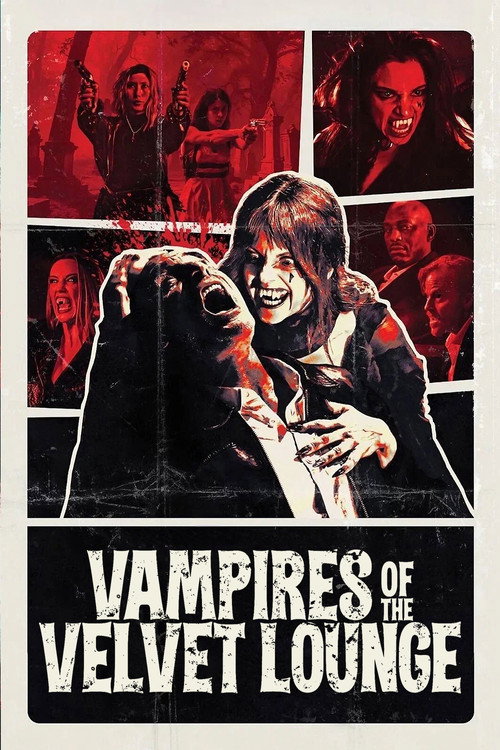
A group of vampires confronts the challenges of adapting to contemporary society while grappling with their own mortality, all while engaged in a conflict with a dangerous enemy.
Top Billed Cast
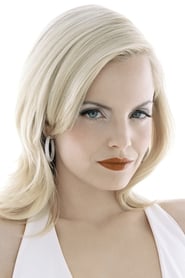
Mena Suvari
Elizabeth
Dichen Lachman
Cora
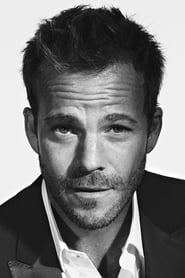
Stephen Dorff
Randall/Ramsey
Sarah Dumont
Helena
Will Redmond
Reggie
Rosa Salazar
Alexis
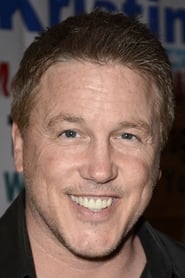
Lochlyn Munro
Malcom
India Eisley
Joan
Detailed Critic & Audience Reviews
B Brent MarchantVerified TMDB Critic
2026-03-29
Hungarian Countess Elizabeth Báthory (1560-1614) was a macabre, eccentric noblewoman believed to have been the inspiration for Bram Stoker’s novel, Dracula (1897), an allegedly vampiric being said to have been the most prolific serial killer in history. But did she really die in 1614 as believed, or did she secretly live on in perpetuity, continuing to practice her notorious blood-sucking ways throughout the centuries? That’s the question raised in writer-director Adam Sherman’s latest feature outing, an all-out, no-holds-barred campy horror romp that epitomizes the over-the-top nature ...
J JPRetanaVerified TMDB Critic
2026-06-06
Vampires of the Velvet Lounge (2026) opens with a series of intertitles recounting the oft-told story of Countess Elizabeth Báthory, noting that she “allegedly died in 1614” and that “her legacy morphed into that of a vampire-like figure, cementing her status as history’s most prolific serial killer with the highest known death count.” Too many, it would appear, to put in exact numbers.
The word “allegedly” has been misplaced. It should not be applied to the date she died or the fact itself of her death but to the crimes Báthory was accused of. Later on, the film’s dialogu...